
- Home/
- Buy Neurontin Without Prescription in the United States Online
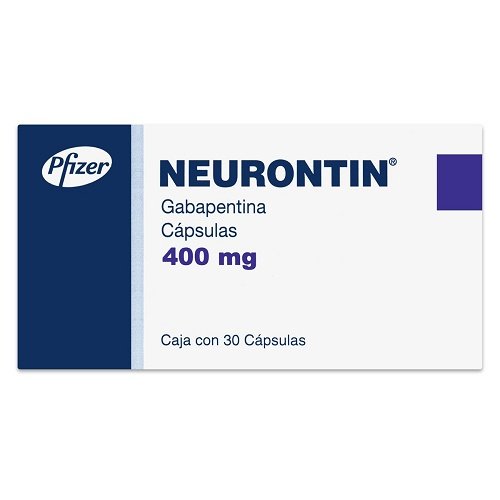
Can Neurontin (gabapentin) be obtained without a prescription in the United States?
No, Neurontin (gabapentin) is a prescription medication in the United States. It cannot be legally obtained without a valid prescription from a licensed healthcare provider. Attempting to acquire Neurontin without a prescription is unsafe and may be illegal.
Key Takeaways: What You Need to Know About Neurontin (Gabapentin) in the United States
- Neurontin is usually prescribed for neuropathic pain, epilepsy, and certain neurological conditions—always under a doctor’s supervision.
- A valid prescription is required in the United States; you cannot legally obtain Neurontin over the counter or from unregulated sources.
- Clinical improvements typically begin within one to two weeks, but full effects may take several weeks depending on the condition treated.
- The most significant safety consideration is the risk of drowsiness, dizziness, and, rarely, serious breathing problems.
- Regular follow-up with your healthcare provider is essential to monitor effectiveness and manage potential side effects.
- Seek immediate medical attention for allergic reactions, severe confusion, or difficulty breathing.
How Does Neurontin (Gabapentin) Work in the Body?
Neurontin’s active ingredient, gabapentin, is classified as an anticonvulsant and is primarily used to manage neuropathic pain and certain types of seizures. Gabapentin does not act directly on common neurotransmitter systems like GABA, despite its name. Instead, it binds to the alpha-2-delta subunit of voltage-gated calcium channels in the central nervous system. By doing so, it decreases the release of excitatory neurotransmitters such as glutamate, norepinephrine, and substance P.[1]
In plain language: Think of nerve cells as electrical cables. In some chronic pain conditions, these cables send out too many “pain signals.” Gabapentin attaches to a specific part of these cables (the calcium channel), helping to “quiet down” the excess noise—reducing abnormal pain messages sent to the brain.
Gabapentin’s effect does not require specific food intake or body conditions. It works independently once absorbed and reaches the nervous system.
Expert Commentary: When Expectations Differ from Reality—What Patients Should Know About Gabapentin Therapy
As a neurologist, I often find that patients expect Neurontin to provide immediate pain relief, similar to over-the-counter pain relievers. However, gabapentin’s effects are gradual and often subtle at first. Many patients judge success by the complete elimination of pain, which is seldom realistic. Instead, the goal is usually to achieve a meaningful reduction in pain that improves daily function and sleep. A misconception I frequently encounter is that increasing the dose will always yield better results—when, in fact, going above recommended doses increases risks without added benefit. Patients rarely ask about long-term management, withdrawal symptoms, or how to taper safely. I advise anyone starting gabapentin to focus on tracking changes in quality of life and always discuss side effects or lack of efficacy with their physician before making adjustments on their own.
What Is the Usual Dosage and How Should Neurontin Be Taken?
Neurontin (gabapentin) dosing is individualized based on the condition being treated, age, kidney function, and patient response. It is critically important to follow your doctor’s instructions exactly.
- Starting Dose (adults, neuropathic pain): Typically 300 mg once daily, increasing to 300 mg two or three times daily over several days.
- Titration: The dose is usually increased gradually, often by 300 mg per day, up to an effective maintenance dose.
- Common Maintenance Dose: 900–1,800 mg per day, split into three doses. In some cases, up to 3,600 mg daily (in divided doses) may be prescribed, but doses above 1,800 mg/day rarely offer added benefit with increased risk of side effects.[2]
- Maximum Daily Dose: Do not exceed 3,600 mg per day unless specifically instructed by your provider.
- Special Populations: Lower initial and maintenance doses are required for elderly patients and those with impaired kidney function.
- Formulation Notes: Immediate-release tablets can be split if scored. Extended-release formulations (e.g., Gralise) must not be split or chewed.
Peak effect occurs 2–3 hours after taking a dose, but the overall benefit may take several days to weeks to become apparent.
| Parameter | Value |
|---|---|
| Available strengths | 100 mg, 300 mg, 400 mg, 600 mg, 800 mg tablets/capsules |
| Typical starting dose | 300 mg once daily |
| Maintenance dose | 900–1,800 mg/day (divided in 3 doses) |
| Maximum dose | 3,600 mg/day |
| Formulations | Capsules, tablets, oral solution |
| Duration of action | 6–8 hours (immediate-release), up to 12 hours (extended-release) |
| Storage | Room temperature (68–77°F/20–25°C), dry place |
Can Neurontin Be Taken with Food, Alcohol, or Other Medications?
- Food: Gabapentin’s absorption is not significantly affected by food. However, high-fat meals may slightly slow absorption without affecting overall efficacy.
- Alcohol: Concurrent use with alcohol is not recommended, as both substances can increase drowsiness, dizziness, and risk of accidental injury. In rare cases, especially at high doses or in combination with opioids, the risk of serious breathing difficulties increases.[3]
- Grapefruit Juice: Unlike some medications, grapefruit juice does not significantly interact with gabapentin.
- Antacids (containing aluminum or magnesium): Can decrease gabapentin absorption. It’s best to take gabapentin at least 2 hours after antacids.
- Other medications: Gabapentin has relatively few drug-drug interactions but always review your medication list with your doctor or pharmacist.
| Type of Product | Can It Be Combined? | Consequences |
|---|---|---|
| Alcohol | Not recommended | Increased drowsiness, risk of overdose |
| Opioids (e.g., oxycodone) | Caution | Risk of severe respiratory depression |
| Antacids (aluminum/magnesium) | Timing adjustment needed | Reduced absorption of gabapentin |
| Grapefruit juice | Yes | No significant interaction |
| Aspirin | Yes | No significant interaction |
Who Should Not Take Neurontin? Contraindications and Cautions
Absolute Contraindications:
- Known allergy to gabapentin or any of its components.
Relative Contraindications (Use with Caution):
- Severe renal (kidney) impairment: Dose adjustment is essential as gabapentin is eliminated through the kidneys; toxic accumulation is possible in patients with chronic kidney disease.
- History of severe depression or suicidal ideation: Reports of mood changes and increased risk of suicidal thoughts have been documented; close monitoring is required.[4]
- Respiratory depression risk: Elderly, patients on opioids, or those with respiratory conditions (e.g., COPD) are at increased risk; use cautiously and monitor closely.
- Pregnancy and breastfeeding: Gabapentin crosses the placenta and is excreted in breast milk. Use only if benefits clearly outweigh risks, as determined by the physician.
- Children: Safety and dosing differ for pediatric patients; consult a pediatric neurologist.
After acute major illness (such as a recent heart attack or stroke), gabapentin may be considered only under strict medical supervision.
What Side Effects Are Most Common with Neurontin?
Gabapentin is generally well tolerated, but side effects can occur. These are divided as follows, based on frequency and clinical data.
- Very Common (>10%):
- Dizziness, drowsiness, fatigue
- Peripheral edema (leg swelling)
- Common (1–10%):
- Weight gain
- Ataxia (impaired coordination)
- Tremor
- Blurred vision
- Dry mouth
- Nausea
- Rare (<1%):
- Severe allergic reactions (angioedema, anaphylaxis)
- Severe respiratory depression (especially with opioids)
- Mood changes, suicidal thoughts
- Severe skin reactions (Stevens-Johnson syndrome)
- Rhabdomyolysis (muscle breakdown)
Mechanism behind frequent effects: Drowsiness and dizziness arise as gabapentin dampens nerve activity in the brain and spinal cord, not unlike the effect of certain antihistamines or sedatives.
What to do if side effects occur: For mild symptoms, consult your doctor at the earliest opportunity. If you experience signs of severe allergic reaction (swelling, difficulty breathing), persistent suicidal thoughts, or profound confusion—seek immediate medical assistance by calling 911.
Common Pitfalls: Mistakes Patients Make When Taking Neurontin
- Stopping abruptly: Suddenly discontinuing gabapentin can cause withdrawal symptoms (anxiety, insomnia, sweating, and, in rare cases, seizures). Always taper under medical supervision.
- Missing doses regularly: Irregular intake reduces effectiveness, especially for neuropathic pain and seizure prevention.
- Taking with antacids without time separation: This can cut absorption, making the drug less effective. Wait at least 2 hours after taking antacids.
- Doubling up after a missed dose: Taking double the next dose increases side effect risk without added benefit. Instead, take the missed dose as soon as remembered unless it’s almost time for the next dose.
- Assuming it works instantly: Gabapentin requires time to build effect. Prematurely evaluating its efficacy may lead to unnecessary discontinuation.
- Not reporting side effects: Failing to tell your doctor about drowsiness, confusion, or new symptoms can delay important adjustments.
How Does Neurontin Compare with Other Neuropathic Pain Medications?
Gabapentin is one of several options for neuropathic pain. Below is a practical comparison with its closest alternatives in the United States.
| Medication | Onset Speed | Duration | Common Side Effects | Estimated Price/Month (USD) | Prescription Needed? |
|---|---|---|---|---|---|
| Gabapentin (Neurontin, generics) | 1–2 weeks | 6–8 hrs/dose | Drowsiness, dizziness, weight gain | $10–$40 (generic), $200+ (brand) | Yes |
| Pregabalin (Lyrica) | Days–1 week | ~12 hrs/dose | Dizziness, drowsiness, edema | $20–$120 (generic), $300+ (brand) | Yes |
| Duloxetine (Cymbalta) | 1–2 weeks | 24 hrs/dose | Nausea, dry mouth, insomnia | $15–$50 (generic), $250+ (brand) | Yes |
Bottom line: Gabapentin (Neurontin) is generally more affordable in generic form, but may require slower titration and frequent dosing. Pregabalin may act more quickly and predictably but at a higher cost. Duloxetine offers an alternative class for those who do not tolerate gabapentinoids.
Step-by-Step: How to Obtain Neurontin Safely in the United States
- Consultation: Schedule an appointment with your primary care physician, neurologist, or pain specialist. Telemedicine services are also widely available for initial evaluation in most states.
- Medical Assessment: The provider will evaluate your specific symptoms, medical history, and any previous treatments. Diagnostic tests may be ordered to confirm neuropathic pain or seizure disorders.
- Prescription Issuance: If gabapentin is appropriate, your provider will issue a prescription, either electronically or as a paper copy.
- Pharmacy Fulfillment: Present the prescription at a licensed pharmacy. Most major chains and local pharmacies stock gabapentin. For refills, electronic prescriptions are common.
- Insurance Coverage: Most insurance plans—including Medicare and Medicaid—cover generic gabapentin with a co-pay. Always ask your pharmacy about generics to reduce cost.
- Follow-up: Regular follow-up is important to monitor for efficacy, side effects, and any required dose adjustments.
Doctor Answers: Clinical Questions Patients Commonly Ask
- How will I know if Neurontin is working for my neuropathic pain?
- Relief is usually gradual. Improvement in sleep quality and reduced pain episodes often appear before complete symptom relief. I advise keeping a symptom diary and discussing changes at follow-up visits.
- Should I expect to stop Neurontin once my pain resolves?
- Neuropathic pain is often chronic. Once symptoms improve, we may discuss tapering, but abrupt cessation is discouraged due to the risk of recurrence or withdrawal symptoms.
- Is it safe to drive while taking gabapentin?
- Gabapentin can cause drowsiness or dizziness, especially when starting or adjusting the dose. Avoid driving or operating machinery until you know how the medication affects you.
- How often will my dose need to be changed?
- Dose titration is common during the first few weeks. After stabilization, adjustments are usually needed only if symptoms change or side effects develop.
- What should I do if I feel no benefit after several weeks?
- If there’s minimal improvement after 4–6 weeks at an adequate dose, we’ll discuss alternative therapies or reassess the underlying diagnosis.
- Can I use Neurontin for anxiety or sleep?
- Neurontin is not approved for primary treatment of anxiety or insomnia, though some patients notice secondary benefits. We base therapy decisions on approved indications and individual response.
How Is Neurontin Metabolized and Cleared from the Body?
Gabapentin is not metabolized by the liver and does not inhibit or induce liver enzymes (CYP450 system). It is excreted unchanged by the kidneys. This is important for patients with chronic kidney disease, as dose reduction is critical to avoid toxicity.
- Half-life (T1/2): Approximately 5–7 hours in healthy adults, but can be much longer in renal impairment.
- Peak plasma concentration: 2–3 hours after ingestion.
- Elimination: Almost entirely via urine.
This pharmacokinetic profile means interactions with other medications are rare, but patients with kidney disease must use lower doses.
Are There Special Considerations for Certain Patient Groups?
- Elderly: More sensitive to drowsiness, falls, and confusion. Dose titration should be slower.
- Chronic kidney disease: Requires significant dose adjustment. Failure to adjust increases risk of toxicity.
- Pregnancy: Use only if benefits outweigh potential risks. Gabapentin is not associated with major birth defects but safety data are limited.
- Breastfeeding: Gabapentin enters breast milk. Infants should be monitored for drowsiness or feeding issues.
- Driving and machinery: Gabapentin can impair alertness and coordination. Avoid hazardous activities until you know your individual response.
- Fertility: No significant evidence of negative effects on fertility at prescribed doses in humans.
Original vs Generic Gabapentin: What’s the Difference?
Original brand Neurontin and its generic equivalents (gabapentin) contain the same active drug. Generics are FDA-required to demonstrate bioequivalence, meaning they deliver the same amount of medicine at the same rate. Inactive ingredients (excipients)—such as fillers, dyes, or preservatives—may differ, which can rarely cause allergic reactions in sensitive individuals.
- Generics typically cost significantly less (as low as $10–$40/month).
- Brand Neurontin may be preferred if you have known sensitivities to specific excipients, but this is rare.
- Effectiveness and safety are equivalent for the vast majority of patients.
How Can I Recognize and Avoid Counterfeit Neurontin in the United States?
Counterfeit medications pose serious health risks. To verify authenticity:
- Check packaging: Original Neurontin comes in clearly printed, sealed blisters or bottles, with NDC numbers and the manufacturer’s logo (Pfizer or official generic manufacturer).
- Inspect pill markings: Gabapentin tablets/capsules have manufacturer-specific imprints (e.g., “NTN 300” for Neurontin 300 mg).
- Look for QR codes or holograms, which are present on some branded packaging in the United States. Scanning the code can direct you to the manufacturer’s verification site.
- Check for U.S. FDA approval labeling.
- Beware of uncommonly low prices or bulk “no prescription” offers: These are classic signs of counterfeit or diverted products.
- Generics: Appearance may differ but packaging will be from a licensed U.S. manufacturer or distributor and include an NDC number.
If in doubt, consult your pharmacist or physician before use.
Country-Specific Online Pharmacy Safety Guide: How to Avoid Unsafe Sellers in the U.S.
- Only use online pharmacies certified by the National Association of Boards of Pharmacy (NABP) and displaying the VIPPS (Verified Internet Pharmacy Practice Sites) seal.
- Verify that the pharmacy requires a valid prescription—no legitimate U.S. pharmacy dispenses gabapentin without one.
- Check for a physical U.S. address and a licensed pharmacist available for questions.
- Beware of websites offering “fast shipping,” “no prescription needed,” or unusually low prices.
- Review the FDA’s “BeSafeRx” website for a list of safe online pharmacies: FDA BeSafeRx
- Counterfeit and imported medications may contain incorrect or dangerous ingredients or incorrect dosages.
Quality Check: How Should Genuine Neurontin and Generics Look?
- Tablet/Capsule: Uniform in shape and color, with clear manufacturer-specific imprints (e.g., “NTN 300”).
- Packaging: Sealed, labeled with lot number, expiration date, manufacturer’s details, and often an NDC code.
- Holograms or QR codes: Present on some branded boxes; generics may use anti-tamper seals.
- No misspellings or blurred printing.
- Suspiciously low price or lack of identifying marks: Contact your pharmacist before use.
What Should I Do If I Overdose on Neurontin?
- Stop taking Neurontin immediately.
- Call 911 or seek emergency medical assistance—do not wait for symptoms.
- Tell the emergency provider exactly how much was taken, when, and whether other substances were used (especially alcohol or opioids).
- Keep the medication bottle for reference.
- Do not attempt to induce vomiting unless instructed.
Symptoms of overdose may include double vision, slurred speech, severe drowsiness, lethargy, or even coma.
Myth vs Reality: Quick Clarifications
- Myth: Gabapentin works instantly for pain.
Reality: It often takes days to weeks for pain relief to develop. - Myth: Higher doses always mean better pain control.
Reality: Beyond a certain dose, side effects increase without extra benefit. - Myth: Generic gabapentin is less effective than brand Neurontin.
Reality: FDA-approved generics are equally effective for most patients.
Psychological Support: You’re Not Alone
Neuropathic pain and seizure disorders are common and manageable, though they often require patience and multidisciplinary care. If pain or anxiety interfere with your life, consider discussing these issues openly with your provider—and, if appropriate, with family or a support group. Treatment may include counseling, physical therapy, or lifestyle changes alongside medication.
Professional Clinical Perspective: When Gabapentin Is the Right Choice—and When It Isn’t
As a practicing neurologist and pain specialist, I carefully consider gabapentin for patients with well-defined neuropathic pain syndromes, such as postherpetic neuralgia, diabetic neuropathy, or certain types of partial seizures. It is most effective when pain is described as burning, shooting, or tingling, and less so for non-neuropathic pain or widespread fibromyalgia without nerve involvement. Patients with renal impairment or those taking sedative medications require extra vigilance. Gabapentin is not my first choice in individuals with a history of substance misuse or severe mood disorders, given the potential for dependence or mood destabilization. When titrated methodically and combined with non-pharmacological approaches, gabapentin improves function and quality of life for many patients. If no substantial benefit is seen after a trial of adequate duration and dosage, I’m prepared to transition to alternatives such as pregabalin or duloxetine, or to refer for specialist pain management. Regular reassessment is key to optimizing outcomes and minimizing risks.
Frequently Asked Questions About Neurontin in the United States
- How effective is Neurontin for nerve pain?
- Clinical studies show gabapentin can provide meaningful pain reduction in about 30–50% of patients with neuropathic pain. Complete pain relief is rare; the goal is improved comfort and daily function.[5]
- Can I get Neurontin without a prescription in the U.S.?
- No. Neurontin is prescription-only due to potential risks and the need for medical oversight.
- How long should I take gabapentin?
- Duration depends on your underlying condition and response to therapy. Some patients require long-term use, but periodic reassessment is recommended.
- Is gabapentin addictive?
- While not a classic narcotic, gabapentin can cause dependence and withdrawal symptoms if stopped suddenly, especially at high doses or after long-term use.
- What are the most serious side effects to watch for?
- Severe allergic reactions, suicidal thoughts, profound confusion, and serious breathing problems (especially with opioids or in those with lung disease) require immediate attention.
- How much does gabapentin cost in the United States?
- Generic gabapentin typically costs $10–$40 per month with insurance coverage, while brand Neurontin may cost over $200 per month.
- Can I travel with my gabapentin prescription?
- Yes. Carry your prescription or a copy of your doctor’s note, as regulations vary by state. Always keep the medication in its original labeled container.
- Does gabapentin interact with other pain medications?
- Gabapentin can be used with other pain relievers, but caution is advised with opioids, as there is an increased risk of severe sedation and respiratory depression.
- Can gabapentin be used for migraine or anxiety?
- Gabapentin is not FDA-approved for migraines or primary anxiety disorders, though it may be prescribed off-label when clinically justified.
- How should gabapentin be stored?
- Store at room temperature (68–77°F/20–25°C) in a dry place, away from direct sunlight and out of reach of children.
References
- U.S. Food and Drug Administration (FDA). Neurontin (gabapentin) prescribing information. Accessed June 2024. https://www.accessdata.fda.gov
- PubMed. Taylor CP. Mechanisms of analgesia by gabapentin and pregabalin—calcium channel α2-δ subunits as targets for analgesic drugs. 2023. https://pubmed.ncbi.nlm.nih.gov
- FDA. Drug Safety Communication: FDA warns about serious breathing problems with gabapentin and pregabalin in certain patients. https://www.fda.gov
- ClinicalTrials.gov. Assessment of suicidal behavior with antiepileptic drugs. https://clinicaltrials.gov
- Mayo Clinic. Gabapentin for neuropathic pain review. https://www.mayoclinic.org
This article covers medical usage, safety, and practical considerations for Neurontin (gabapentin) in the United States. For more information on neuropathic pain, consult related guides or speak with a licensed healthcare provider.