
- Home/
- Buy Furosemide Without Prescription in the United States Online
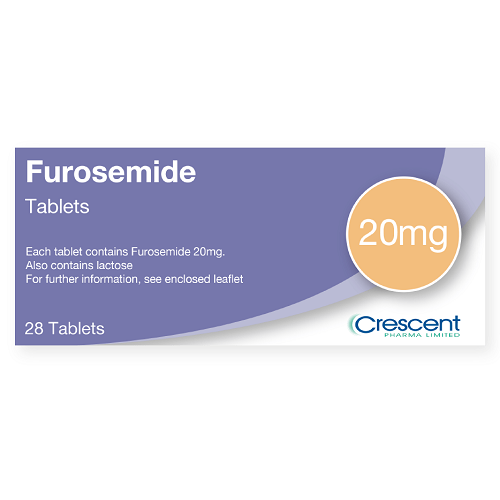
Is a Prescription Required for Furosemide in the United States?
Furosemide in Brief: Key Facts
| Parameter | Details (United States, 2026) |
|---|---|
| Active ingredient | Furosemide |
| Drug class | Loop diuretic |
| Primary use | Treatment of edema (fluid overload), congestive heart failure, liver and kidney diseases, hypertension |
| Onset time | Oral: ~30–60 minutes; IV: ~5 minutes |
| Prescription requirement | Yes (mandatory in US) |
| Main contraindication | Anuria (no urine output), severe electrolyte imbalance, sulfonamide allergy |
| Peak effect | 1–2 hours (oral); 30 minutes (IV) |
| Duration of action | ~6–8 hours (oral/IV) |
| Insurance coverage | Commonly covered by Medicare/Medicaid and most US private insurers |
Bottom line: Furosemide is a powerful, fast-acting prescription diuretic widely used in the United States for edema management.
Mechanism of Action: How Does Furosemide Work?
Furosemide belongs to the loop diuretic class. It acts primarily in the thick ascending limb of the loop of Henle in the kidney. By inhibiting the Na-K-2Cl (sodium-potassium-chloride) cotransporter, Furosemide prevents reabsorption of sodium and chloride ions. This action leads to increased excretion of sodium, chloride, and water, resulting in a potent diuretic (urine-producing) effect.
Metaphor: Think of Furosemide as “unlocking a floodgate” in your kidneys, letting go of excess fluid by blocking the main reabsorption valve. If the body is retaining too much fluid, this valve is forced open, helping restore balance.
The result? Rapid reduction in blood volume and fluid in tissues (edema). For patients with heart failure, liver cirrhosis, or certain kidney conditions, this mechanism provides relief from fluid overload and associated symptoms.
Note: Furosemide’s effect does not depend on dietary sodium but can be influenced by kidney function and overall hydration status.
- It does not treat the underlying cause of edema but manages the symptom (fluid excess).
- Requires functioning kidneys to be effective; not useful in anuric states.
How to Take Furosemide: Dosage and Posology
| Indication | Typical Starting Dose (Adults) | Maximum Daily Dose |
|---|---|---|
| Edema (oral) | 20–80 mg/dose | 600 mg/day (rarely exceeded) |
| Edema (IV/IM) | 20–40 mg/dose | 600 mg/day |
| Hypertension (oral) | 40 mg twice daily | Not typically above 80 mg/day |
| Elderly | Start with lowest possible dose (e.g., 20 mg) | Adjust cautiously |
- Dosing is highly individualized: Always follow your provider’s instructions and never adjust the dose on your own.
- Duration of therapy: Depends on underlying condition. Some require short-term use (e.g., acute decompensated heart failure), others may need chronic management.
- Tablet splitting: Most Furosemide tablets can be split, but check your specific product and consult your pharmacist.
- Timing: Take in the morning to avoid nighttime urination. If a second dose is prescribed, take in early afternoon.
Peak effect occurs 1–2 hours after oral dose; the increased urine output typically lasts 6–8 hours.
Myth vs Reality:
Myth: “The higher the dose, the more you pee.”
Reality: There is a ceiling effect. Beyond a certain dose, more side effects appear with no added benefit.
Furosemide and Food, Alcohol, and Lifestyle Factors
- Food
- Food may delay the absorption of Furosemide, but not its overall bioavailability. It’s best taken on an empty stomach for fastest effect, but can be taken with food to minimize stomach upset.
- Grapefruit Juice
- No clinically significant interaction has been observed with grapefruit juice. Unlike some heart medications, grapefruit juice does not alter Furosemide metabolism.
- Alcohol
- Combining Furosemide with alcohol can increase the risk of dehydration, low blood pressure, and fainting. Strict limitation is recommended. Occasional moderate use (1 drink/day) is typically safe but discuss with your doctor.
- High salt intake
- Can blunt the diuretic effect. Patients are often advised to follow a low-sodium diet for optimal results.
In short: Take Furosemide as directed, avoid binge drinking, and pay attention to your salt intake for best results.
Contraindications: Who Should Not Take Furosemide?
Absolute Contraindications
- Anuria: Complete inability to urinate (Furosemide will not work and may be harmful).
- Hypersensitivity: Known allergy to Furosemide or sulfonamide-derived drugs.
- Severe electrolyte depletion: Especially low potassium (hypokalemia), sodium (hyponatremia), or calcium (hypocalcemia).
- Hepatic coma (in certain settings): Risk of worsening encephalopathy.
Relative Contraindications (Caution Required)
- Severe renal impairment: May require higher or adjusted dosing; consult nephrologist.
- Dehydration: Risk of further worsening fluid and electrolyte balance.
- Gout: May precipitate gout attacks due to increased uric acid.
- Pregnancy and breastfeeding: Use only if benefits outweigh risks and under close supervision.
- Concomitant use with nephrotoxic or ototoxic drugs: Such as aminoglycoside antibiotics (risk of hearing loss).
Why? Furosemide’s potent diuretic effect can rapidly deplete essential minerals and water, leading to dangerous arrhythmias, muscle weakness, or confusion.
After a heart attack: Only use under close cardiac monitoring. There is no fixed waiting period; individual risk assessment is needed.
Side Effects: What Adverse Effects to Expect?
Very Common (>10%)
- Increased urination (polyuria) — intended effect
- Electrolyte disturbances: low potassium (hypokalemia), low sodium (hyponatremia)
- Dehydration symptoms: thirst, dry mouth, low blood pressure
Common (1–10%)
- Dizziness or lightheadedness
- Muscle cramps
- Elevated uric acid (may trigger gout attacks)
- Increased blood sugar (in those with diabetes or prediabetes)
Rare (<1%)
- Hearing loss (ototoxicity), usually with high IV doses or rapid infusion
- Severe allergic reactions (rash, anaphylaxis)
- Pancreatitis
- Kidney injury (acute or chronic)
Very Rare (<0.1%)
- Severe blood disorders (e.g., agranulocytosis)
- Severe skin reactions (Stevens-Johnson syndrome)
What to do if you experience side effects? Stop the medication and contact your physician immediately for severe symptoms (muscle weakness, confusion, fainting, hearing loss, allergic reactions). Mild side effects (increased urination, mild thirst) are expected but should be discussed at your next visit.
Myth vs Reality:
Myth: “Serious side effects are common.”
Reality: Most people tolerate Furosemide well, but close monitoring is essential.
Furosemide vs Alternatives: Comparison Table
| Parameter | Furosemide (Lasix) | Bumetanide | Hydrochlorothiazide | Torasemide |
|---|---|---|---|---|
| Class | Loop diuretic | Loop diuretic | Thiazide diuretic | Loop diuretic |
| Onset (oral) | 30–60 min | 30–60 min | 1–2 h | 30–60 min |
| Duration | 6–8 h | 4–6 h | 6–12 h | 12–16 h |
| Potency (equivalent) | 40 mg | 1 mg | 25 mg | 10–20 mg |
| Risk of ototoxicity | Yes (high IV doses) | Yes | No | No |
| Insurance coverage | Yes (wide) | Yes | Yes | Yes (variable) |
| Cost per tablet (2026, avg retail) | $0.12–$0.35 (generic) | $0.18–$0.45 (generic) | $0.04–$0.22 (generic) | $0.28–$0.65 (generic/brand) |
What it can do vs cannot do: Furosemide is potent and fast-acting, best for rapid relief of severe edema, but short-acting and prone to electrolyte shifts. Thiazides (e.g., Hydrochlorothiazide) are better for mild hypertension but less effective for heavy fluid overload. Bumetanide is more potent by weight but similar in effect. Torasemide has a longer duration, which some find more convenient but may be less available.
Step-by-Step: How to Legally Get Furosemide in the US
- Consult a qualified healthcare provider: Schedule an appointment with your doctor (primary care, cardiologist, nephrologist) in your city (e.g., New York, Los Angeles, Houston). Telemedicine visits are permitted for chronic disease management in most states.
- Assessment and diagnosis: Your provider will confirm the diagnosis (e.g., edema, heart failure) and evaluate if Furosemide is appropriate.
- Obtain a prescription: If indicated, you’ll receive a signed prescription, which may be electronic (e-prescription) or paper.
- Fill your prescription at a licensed pharmacy: Present your prescription at a local US pharmacy chain (CVS, Walgreens, Rite Aid) or a certified online pharmacy (look for .Pharmacy Verification).
- Insurance reimbursement: Most US insurance plans cover Furosemide. Ask your pharmacist about generic options for lowest copay.
- Follow-up: Routine bloodwork is typically required to monitor electrolytes and kidney function during therapy.
Warning: Do not attempt to purchase Furosemide from unlicensed online sources. Risk of counterfeit, ineffective, or dangerous products is significant. US Customs may seize parcels lacking proper documentation.
Furosemide FAQ: People Also Ask
- Can I use Furosemide every day?
- Yes, but only under medical supervision and typically for chronic conditions requiring ongoing fluid management. Do not adjust dosing frequency without a provider’s guidance.
- How long does it take Furosemide to start working?
- Oral Furosemide usually begins to work within 30–60 minutes, while intravenous injection works in about 5 minutes.
- Do I need lab tests while taking Furosemide?
- Yes. Monitoring of electrolytes, kidney function, and uric acid is standard during ongoing therapy.
- Is it safe to combine Furosemide with other blood pressure medications?
- Often yes, but coordination with your doctor is vital to avoid excessive blood pressure drops or kidney injury.
- Can I buy Furosemide online in the US?
- Only from licensed online pharmacies that require a valid US prescription. Avoid offers from sources that do not verify prescriptions.
- What should I do if I miss a dose?
- Take it as soon as you remember, unless it’s almost time for your next dose. Never double up doses.
- Is Furosemide covered by insurance?
- Yes. Furosemide is on most US insurance formularies as a generic medication.
- Can Furosemide cause weight loss?
- It can cause rapid loss of water weight due to diuresis, but it does not affect fat tissue. Not appropriate as a weight loss drug.
- Are there risks in pregnancy?
- Use in pregnancy is only recommended if clearly needed and the benefits outweigh risks. Discuss with your OB/GYN.
Pharmacokinetics and Metabolism of Furosemide
Furosemide is absorbed in the gastrointestinal tract, with bioavailability ranging from 50% to 70% (oral route). Peak plasma concentrations are reached in about 1–1.5 hours. It binds extensively to plasma proteins (mainly albumin).
- Metabolism: Around 10–20% is metabolized in the liver via glucuronidation.
- Elimination: Most of the dose (~80%) is excreted unchanged in the urine via the kidneys.
- Half-life: 1–2 hours in healthy adults; prolonged in kidney or liver impairment.
Bottom line: Furosemide’s effectiveness depends on adequate kidney function. Impaired kidneys may lead to drug accumulation and higher toxicity risk.
Furosemide in Special Populations
- Elderly patients
- Increased risk of dehydration, falls, and kidney dysfunction. Start low, go slow. Monitor closely for confusion, muscle cramps, or fainting.
- Pediatrics
- Use only under pediatric specialist guidance. Dosing is weight-based and closely monitored.
- Pregnancy
- Classified as Category C by the FDA. Use only if benefits outweigh risks. May suppress milk production if used during breastfeeding.
- Chronic kidney disease
- Dose adjustment is crucial. Monitor for worsening kidney function.
- Liver disease
- May precipitate hepatic encephalopathy. Close monitoring or alternative strategies may be needed.
- Ability to drive or operate machinery
- Furosemide can cause dizziness or fainting. Until you know how you react, avoid driving or hazardous tasks.
- Fertility and family planning
- No evidence of direct effect on fertility, but discuss with your doctor if planning pregnancy while on Furosemide.
Original vs Generic Furosemide, Excipients, and Authenticity
Original brands (e.g., Lasix) and generics are considered equivalent in efficacy and safety in the United States. All generics must meet FDA bioequivalence standards.
- Excipients: These are inactive ingredients that can differ between brands/generics (e.g., fillers, dyes, binders). Allergic reactions are rare but possible; always check the package insert if you have known sensitivities.
- Appearance: Original and generics may look different (shape, color, imprint code), but must have clear US FDA labeling and batch numbers.
- Generics: Usually much cheaper, widely available, and covered by all major insurers.
How to spot a counterfeit? Suspiciously low prices, lack of US FDA labeling, misspelled package text, or missing imprint codes are red flags. If in doubt, ask your pharmacist or check the official FDA counterfeit guide.
Compatibility Check: Furosemide Drug Interactions
| Drug/Product | Can Combine? | Possible Consequences |
|---|---|---|
| ACE inhibitors (e.g., Lisinopril) | Yes, with caution | Risk of low blood pressure, kidney injury |
| NSAIDs (e.g., Ibuprofen) | With caution | May reduce Furosemide efficacy, increase kidney risk |
| Digoxin | Yes, with monitoring | Risk of digoxin toxicity if potassium drops |
| Aminoglycosides (e.g., Gentamicin) | AVOID | Risk of severe hearing loss |
| Antidiabetic drugs | Yes, monitor sugars | May increase blood sugar levels |
| Alcohol | Limit or avoid | Dehydration, low blood pressure |
Quality Check: How to Spot Genuine Furosemide
Original US Furosemide: Sold in blister packs or pharmacy bottles with a National Drug Code (NDC), lot number, expiration date, and clear imprint code on each tablet. Packaging should feature the manufacturer’s logo (e.g., Sanofi, Teva, Mylan).
- Color/Shape: Usually white, round or oval tablets, sometimes with a scored line.
- Imprint code: Each tablet must have a unique code (e.g., “M 58”, “TEVA 3345”) matching FDA records.
- Verification: Some US manufacturers include QR codes or holograms. Always ask your pharmacist if uncertain.
Counterfeit warning: If the price is “too good to be true,” especially from non-verified online sellers, it likely isn’t genuine. When in doubt, check with your local pharmacy.
Overdose Protocol: What to Do
- Stop taking Furosemide immediately.
- Call emergency services (911) or Poison Control (1-800-222-1222) in the United States without delay.
- Be ready to inform medical staff of:
- The amount and time of ingestion
- Current medications and medical conditions
- Any symptoms (e.g., severe weakness, irregular heartbeat, confusion, fainting)
- Do not try to induce vomiting or self-treat with fluids/electrolytes unless instructed by a medical professional.
Note: Prompt medical attention can be lifesaving in the event of severe dehydration, electrolyte imbalance, or kidney injury.
Support and Next Steps
Edema and related conditions are common and treatable. Furosemide is just one option, and it’s okay to feel concerned about needing such therapy. Many people have improved quality of life after finding the right treatment plan. If you have questions or anxieties, speak openly with your provider, pharmacist, or join patient support groups.
If you feel your current medication is ineffective or side effects are difficult to manage, do not abruptly stop—schedule a follow-up. Consider discussing lifestyle changes, alternative therapies, or a specialist referral.
Looking for a qualified edema specialist in the United States? Ask your primary care provider for a referral to a board-certified nephrologist, cardiologist, or internal medicine specialist in your area. Telehealth options are widely available, including in major US cities.
References
- FDA. Lasix (Furosemide) Label. Accessed June 2026. https://www.accessdata.fda.gov/drugsatfda_docs/label/2024/008281s078lbl.pdf
- National Institutes of Health. Furosemide Drug Information. Accessed June 2026. https://pubchem.ncbi.nlm.nih.gov/compound/Furosemide
- McMurray JJV, et al. Loop Diuretics in Heart Failure: Current Concepts and Uncertainties. Eur Heart J. 2024;45(3):123-133. https://academic.oup.com/eurheartj/article/45/3/123/7221098
- Cleveland Clinic. Furosemide: Uses, Side Effects, Dosage. Accessed June 2026. https://my.clevelandclinic.org/health/drugs/17574-furosemide
- American Heart Association. 2026 Heart Failure Management Guidelines. https://www.heart.org/-/media/files/health-topics/heart-failure/2026-guidelines.pdf
- National Association of Boards of Pharmacy. Verified Pharmacies. Accessed June 2026. https://nabp.pharmacy/programs/dotpharmacy/